What is Circular Economy?
We need to find new ways of using materials and products if we want to make better use of the resources already in circulation. This demands a more circular mindset concerning the way we produce goods and act as consumers.
Circular economy is simply about retaining materials and products in the economic loop with the highest possible value for as long as possible. Resources that would otherwise become waste can be moved one or more steps back in the value chain and reused or used as resources in a new loop.

MAINTAIN-IT
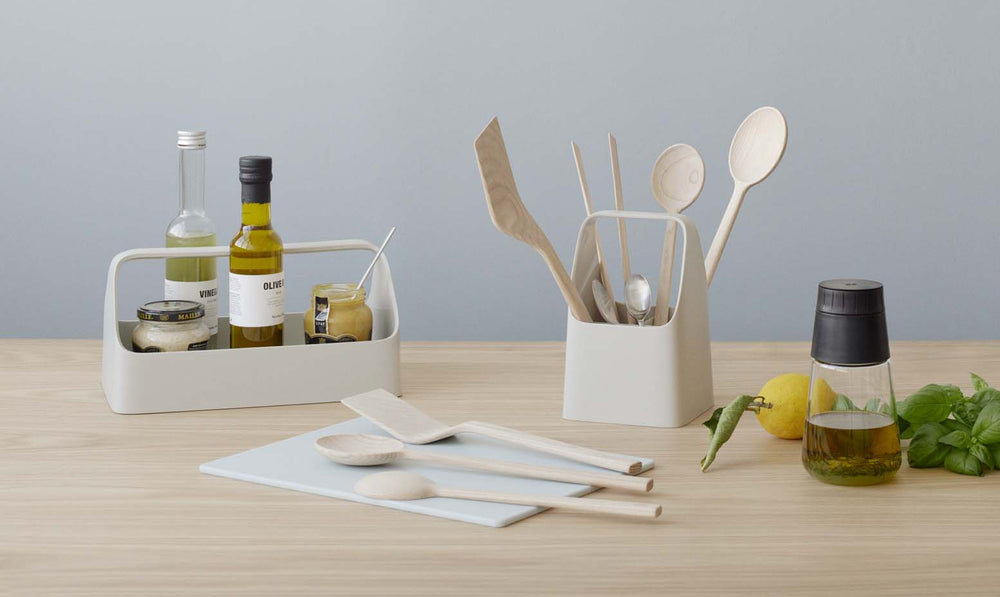
As a consumer, it is important to care for your products on a regular basis. Keeping your products clean and free of e.g. limescale can help maintain their function and extend their useful life.
We recommend that cutting boards made of wood are only handwashed in warm water with a little dish soap and then dried thoroughly. Let the boards dry standing upright in order to avoid that they bend.
Limescale in bottles and alike can be removed with vinegar and hot water. Let it soak for some hours and rinse with clean water. Repeat if there is any limescale left.
Products made from plastic should be washed by hand in warm soap water and dried afterwards. Do not use strong detergents or harsh cleaning methods. Whether a product is dishwasher safe or not is indicated on the instruction notice of the specific product.

RECYCLE-IT
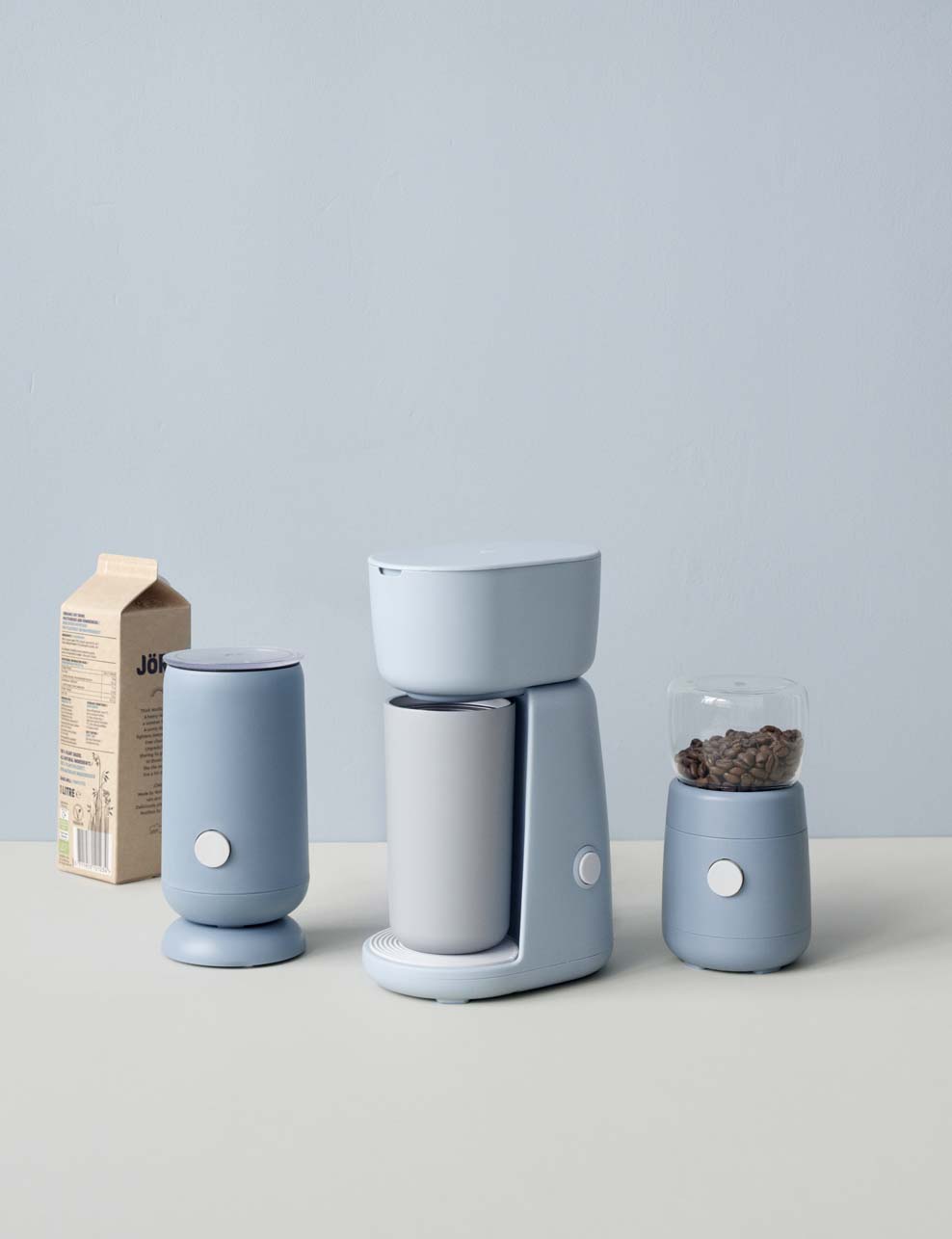
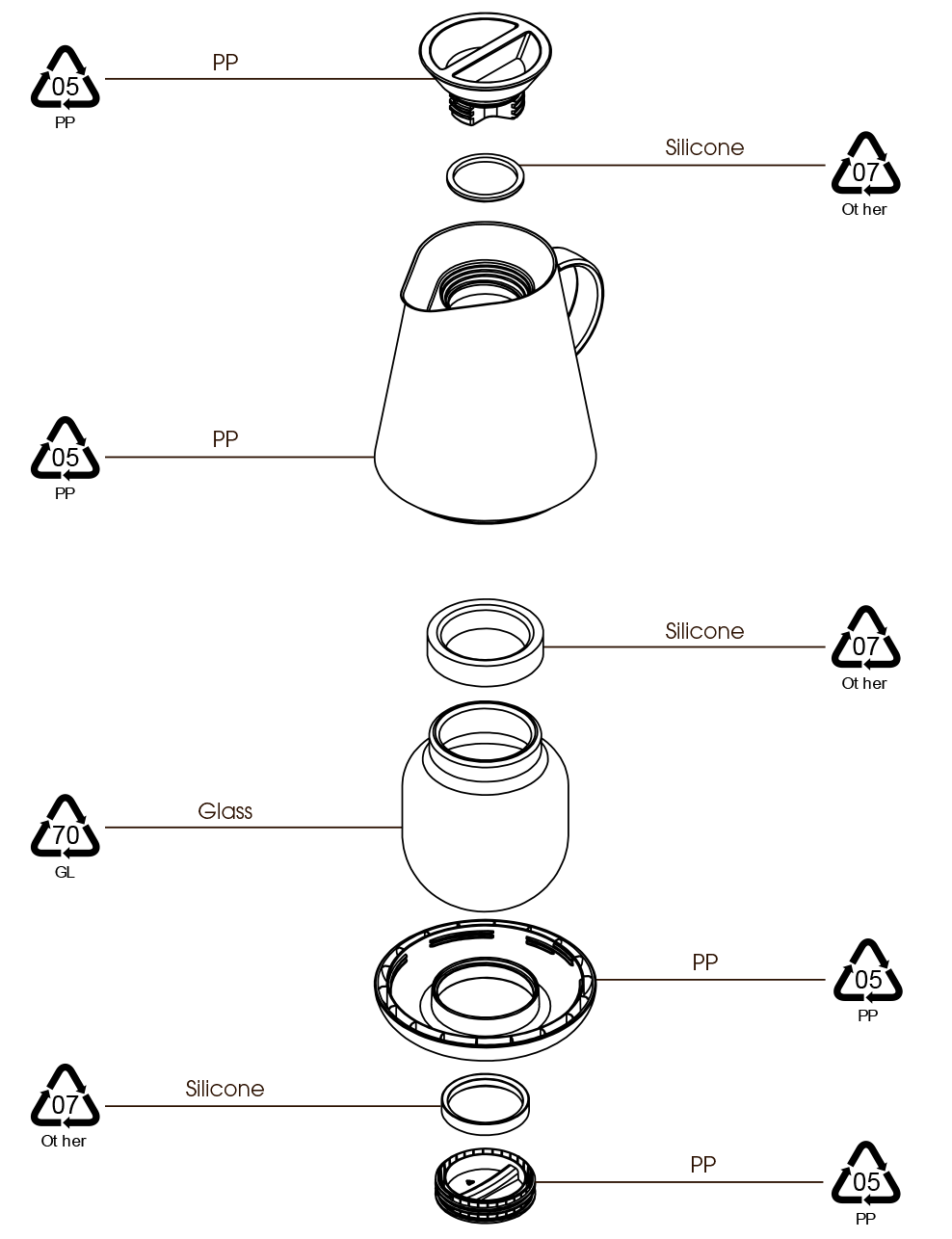
Find complete guidelines for correct disposal and recycling of all RIG-TIG products under each product page. The guidelines help you sort the individual components correctly when the product reaches the end of its useful life.
SHARE-IT
If you no longer use your RIG-TIG product, there might be someone else who can put it to good use. Instead of disposing of the product, we recommend passing it on to someone who can use it and give it a longer useful life.
There are many different exchange and product swapping apps or websites, you can support the local scouts and their flea market, or bring your products to the nearest second hand store.